When you think about electric guitars, two iconic names that almost certainly come to mind are the Fender Stratocaster and the Telecaster. These two legends of the guitar world have shaped the sound and style of music across every genre, from rock and blues to jazz and country. But what makes these guitars so special, and how do they compare to each other?
In this showdown between the Stratocaster and Telecaster, we’ll dive deep into their history, design, sound, and why they’ve become the go-to choice for many of the world’s most famous guitarists, including Jimi Hendrix and Keith Richards. So, if you’re considering your next Fender purchase, this article will help you understand the unique qualities of these remarkable instruments.
TABLE OF CONTENTS
The Birth Of Legends
| Feature | Telecaster | Stratocaster |
|---|---|---|
| Year of Introduction | 1950 | 1954 |
| Body Type | Solid | Solid with Contours |
| Original Name | Broadcaster | - |
| Number of Pickups | Two | Three |
| Pickup Configuration | Single Coil/Single Coil | Single Coil/Single Coil/Single Coil |
| Bridge Type | Fixed | Vibrato System |
The Telecaster: Fender’s First Stroke of Genius
In the early 1950s, Leo Fender introduced the world to the Telecaster, the first mass-produced electric guitar that would forever change the music industry. Known for its simple, single-cutaway body shape and two single-coil pickups, the Telecaster (or “Tele”) quickly became renowned for its bright, cutting tone and rugged durability. With a solid ash or alder body, a bolt-on maple neck, and a distinctively clear finish, the Telecaster set the standard for what an electric guitar should be.
The Stratocaster: Revolutionizing Guitar Design
Just a few years after the Telecaster’s debut, Fender released the Stratocaster in 1954, a guitar that would become equally iconic in its own right. The Strat, with its sleek contours and double-cutaway body, offered guitarists unparalleled comfort and playability. Its three single-coil pickups, connected to a versatile selector switch, provided a wider array of tonal possibilities. The addition of a tremolo system allowed for innovative sound effects that were not possible with the Telecaster. Crafted with the same attention to quality and detail, the Stratocaster featured an alder body, a maple neck, and, for the first time, offered players a choice between a maple or rosewood fretboard.
Design & Aesthetics: The Beauty Behind The Legends
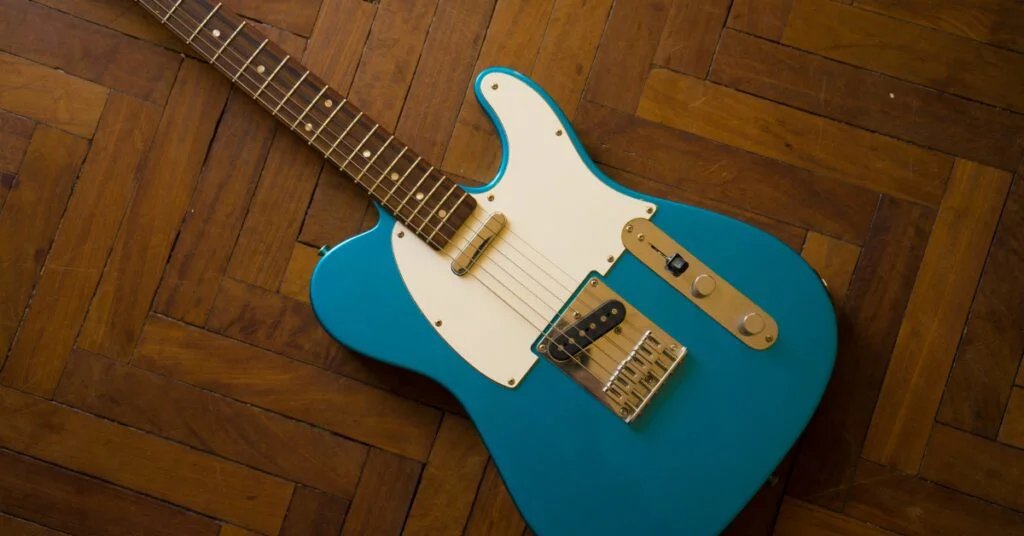
Telecaster’s Timeless Simplicity
The Telecaster’s design is the poster child for simplicity and functionality. Its single cutaway allows for easy access to the higher frets, while the body’s lack of contours keeps the guitar lightweight and straightforward. The classic Tele headstock and simple finish options have become symbols of the guitar’s no-nonsense approach to music making.
Stratocaster’s Innovative Contours
In contrast, the Stratocaster introduced body contours for enhanced player comfort, a design feature that was revolutionary at the time. The Strat’s double-cutaway body shape not only looks stylish but also provides easier access to the upper frets. The headstock, slightly larger than the Tele’s, balances the guitar’s aesthetic and has become just as iconic.
Both guitars offer a range of finish options, from sunburst to custom colors, allowing players to choose a guitar that matches their personal style.
Construction & Materials: Crafting The Sound
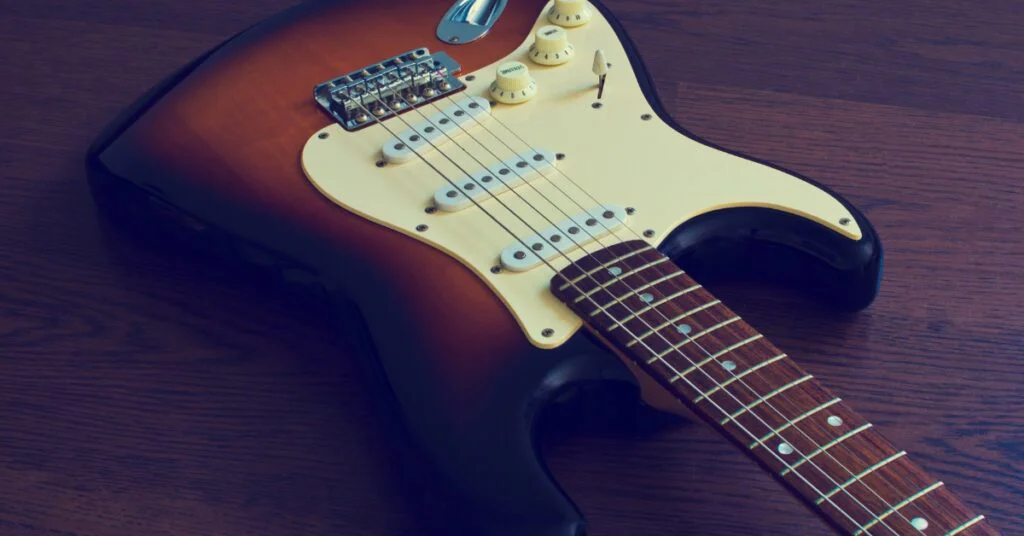
The Wood That Shapes The Tone
Both the Telecaster and Stratocaster are typically made from alder or ash, woods chosen for their tonal qualities and lightweight. Alder provides a balanced, full-bodied sound, while ash offers a brighter tone with more sustain. The choice of wood, combined with the guitars’ construction, plays a crucial role in their distinctive sounds.
Neck And Fretboard: The Feel Of Playability
The neck profile, fretboard radius, and the number of frets on these guitars vary depending on the model. Traditional models come with a maple neck and a 7.25-inch radius, offering a comfortable grip for chord playing and bending notes. Modern versions, like the American Pro II series, feature a 9.5-inch radius for a flatter feel, catering to fast playing and soloing. Both Stratocasters and Telecasters come with either 21 or 22 frets, providing ample range for creative expression.
Sound & Tone: The Heart Of The Showdown
When it comes to choosing between a Stratocaster and a Telecaster, the decision often comes down to the sound. Each guitar has its unique voice, shaped by its construction, pickup configuration, and the materials used. Let’s explore the tonal characteristics that define these iconic instruments.
Telecaster: The King Of Twang
The Telecaster is famous for its bright, punchy tone that cuts through any mix with clarity and precision. Its two single-coil pickups—a bridge pickup known for its sharp, twangy sound, and a neck pickup that offers a warmer, smoother tone—create a versatile sound palette. The simplicity of the Tele’s wiring, including a master volume and tone control, allows for straightforward tone shaping. This guitar excels in genres where clarity and articulation are paramount, such as country, blues, and rock. The bridge pickup, with its biting twang, has become synonymous with country guitar playing, while the neck pickup can produce sweet, mellow tones perfect for blues or jazz.
Stratocaster: The Face Of Versatility
The Stratocaster’s three single-coil pickups and five-way selector switch offer a wider array of tonal options, making it one of the most versatile guitars ever made. From the bright, snappy bridge position to the warm, full neck pickup sound, the Strat can cover almost any musical genre. The addition of the middle pickup, along with the ability to combine pickups using the selector switch, gives the Stratocaster a unique tonal flexibility. Its sound is often described as glassy, bell-like, and rich in harmonics, making it a favorite among players in genres as diverse as rock, blues, pop, and jazz. The Strat’s built-in tremolo system adds another dimension of sonic possibilities, allowing for expressive vibrato and pitch-bending effects that have defined the sound of legends like Jimi Hendrix and Jeff Beck.
Tonal Comparisons: Telecaster Vs Stratocaster
While both guitars can be used across a variety of musical styles, the Telecaster’s straightforward, twangy tone is often preferred by guitarists looking for simplicity and punch. The Stratocaster, with its greater tonal flexibility and built-in tremolo, is ideal for players who demand a wide range of sounds and expressive control over their playing. The choice between a Tele and a Strat often comes down to personal preference, the specific needs of the music, and the individual player’s style.
| Feature | Fender Telecaster | Fender Stratocaster |
|---|---|---|
| Pickup Configuration | Single Coil (Bridge), Single Coil (Neck) | 3 Single Coils (Bridge, Middle, Neck) |
| Switching | 3-Position Blade | 5-Position Blade |
| Tone Profile | Bright Twang, Round Warmth | Chimey Cleans to Aggressive Overdriven Tones |
| Preferred Music Genre | Country, Rockabilly, Blues | Rock, Blues, Pop, Funk |
Iconic Players & Musical Genres: The Legends Behind The Legends
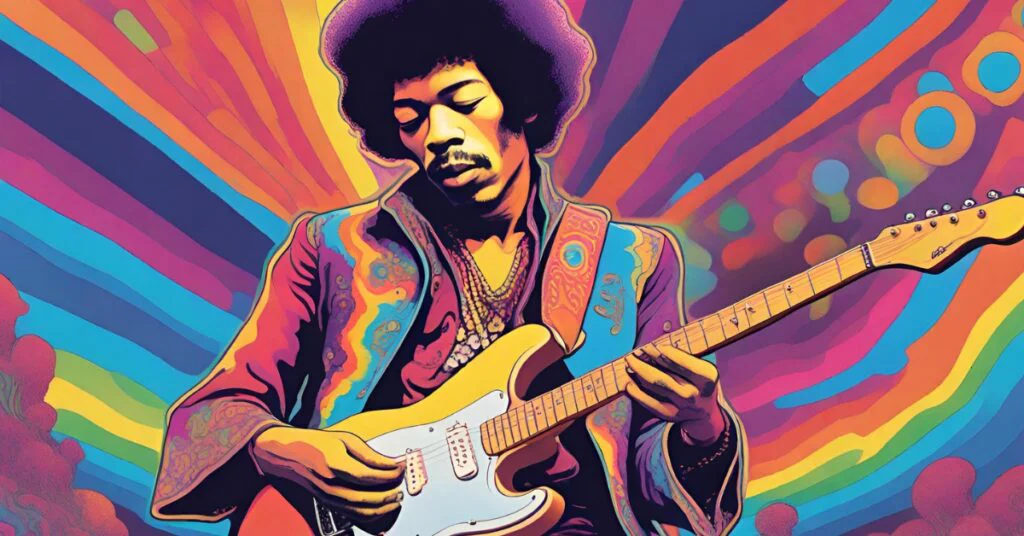
The true test of any musical instrument is in the hands of the players who wield it. The Fender Stratocaster and Telecaster have been chosen by some of the most influential guitarists in history, leaving their mark on various music genres. This section highlights the legendary musicians who have favored these guitars and the styles of music they’ve helped define.
Telecaster Legends
Keith Richards (Rock)
Keith Richards of The Rolling Stones has famously wielded a Telecaster for much of his career, crafting some of the most recognizable riffs in rock history. His preference for the Tele’s bridge pickup helped define the gritty, driving sound of rock music, demonstrating the guitar’s versatility beyond country twang.
James Burton And Brad Paisley (Country)
James Burton, a pioneer of the Telecaster sound, used its distinctive twang to define the rockabilly and country genres, playing for icons like Elvis Presley and Ricky Nelson. Brad Paisley, another Tele master, combines traditional country picking with modern flair, showcasing the Telecaster’s ability to bridge eras and genres.
Stratocaster Masters
Jimi Hendrix (Rock)
Perhaps no other guitarist is as synonymous with the Stratocaster as Jimi Hendrix. Hendrix’s innovative use of the Strat’s tremolo system, feedback, and distortion expanded the electric guitar’s sonic possibilities. His explosive performances at Woodstock and the Monterey Pop Festival showcased the Stratocaster’s potential as a tool for musical revolution.
Stevie Ray Vaughan (Blues)
Stevie Ray Vaughan, a virtuoso of the blues, pushed the Stratocaster to its limits. With heavy strings and a fierce picking style, Vaughan’s deep, emotional blues playing demonstrated the Strat’s capacity for both tenderness and raw power, influencing countless guitarists across every genre.
Pros And Cons: Stratocaster Vs. Telecaster
As we compare these two legendary guitars, it’s important to recognize that each has its strengths and weaknesses, tailored to different player preferences and musical styles. Here’s a detailed look at the pros and cons of the Fender Telecaster and Stratocaster.
Stratocaster
Pros
- Versatile Sound: With three single-coil pickups and a five-way selector switch, the Stratocaster can produce a wide range of tones, suitable for almost any genre.
- Contoured Body Shape: The body contours make the Stratocaster more comfortable to play, reducing fatigue during long sessions or performances.
- Built-in Tremolo System: The inclusion of a tremolo bar allows for expressive vibrato and pitch bending, expanding the guitar's sonic possibilities.
- Iconic Style: The Stratocaster's sleek, double-cutaway body and distinctive headstock design have become symbols of musical innovation and style.
Cons
- Complexity: The Stratocaster's wider array of tonal options and the inclusion of a tremolo system can make it more complex to master, particularly for beginners.
- Prone to Feedback: Due to its single-coil pickups and more complex circuitry, the Stratocaster can be more prone to feedback in high-volume situations.
- Weight Distribution: Some players find the Stratocaster's balance and weight distribution less comfortable, especially with certain strap setups.
Telecaster
Pros
- Simplicity in Design: The Telecaster's straightforward design makes it easy to play and maintain, ideal for beginners and seasoned players alike.
- Bright, Cutting Tone: Known for its clear, twangy sound, the Telecaster excels in genres that require crisp articulation, such as country, blues, and rock.
- Durability: With its solid body and simple electronics, the Telecaster is incredibly reliable, making it a great choice for touring musicians.
- Feedback Resistance: The solid-body construction offers less susceptibility to feedback, a major advantage in loud live settings.
Cons
- Limited Tonal Variety: Compared to the Stratocaster, the Telecaster offers fewer tonal options, which might be a drawback for players seeking a wide range of sounds.
- Lack of Body Contours: The absence of body contours can make the Telecaster less comfortable to play over long periods, especially for some players.
- No Tremolo System: The standard Telecaster model does not come with a tremolo system, limiting its ability to produce vibrato and pitch-bend effects.
Related Article: Fender Play Review: Online Lessons For Aspiring Guitarists
Frequently Asked Questions (FAQs)
What is the main difference between a Telecaster and a Stratocaster?
The Telecaster and Stratocaster are both iconic Fender electric guitars, but they differ significantly in body shape, pickup configuration, and overall tone. The Telecaster features a simpler, slab-body design with two single-coil pickups — a bridge and a neck — and a fixed bridge plate that contributes to its famously twangy, bright, and cutting sound. The Stratocaster has a contoured, double-cutaway body with three single-coil pickups, a floating tremolo bridge, and a five-way pickup selector that gives it a broader tonal palette — from glassy and bell-like clean tones to the distinctive quacky in-between positions. The Tele is generally considered the more straightforward, workmanlike guitar while the Strat is seen as more versatile and expressive.
Does a Telecaster or Stratocaster sound better for rock, country, and blues?
Both guitars have deep roots across all three genres, but each has a natural home. The Telecaster is the defining guitar of country music — its bridge pickup snap, twang, and note separation are almost synonymous with the genre — and it also excels in rock and roots music where a cutting, aggressive tone is needed. The Stratocaster is the more dominant choice in blues and classic rock, with players like Jimi Hendrix, Stevie Ray Vaughan, and Eric Clapton building their entire identities around its singing sustain, expressive vibrato, and warm neck pickup tone. For country, the Tele wins almost by default. For blues and classic rock lead work, the Strat's edge is hard to argue with. Both are legitimate choices for rock across the board.
Is a Telecaster or Stratocaster easier to play for beginners?
Both guitars are beginner-friendly and among the most recommended starting points for new players, but they have subtle differences that may suit different players. The Stratocaster's contoured body is generally considered more comfortable to hold for long periods, as the forearm and belly contours reduce the hard edge dig that the flat Telecaster body can create. The Strat also has a slightly more modern feel in many configurations. The Telecaster, however, is mechanically simpler — fewer controls, a more straightforward wiring setup, and no floating tremolo to deal with — which makes setup, maintenance, and string changes easier for beginners. Ultimately, the best choice comes down to which guitar inspires the player to pick it up and practice.
What are the signature tonal characteristics of a Telecaster bridge pickup compared to a Stratocaster bridge pickup?
The Telecaster bridge pickup is one of the most distinctive sounds in all of electric guitar — it sits in a metal plate that acts as an additional ground and resonator, giving it a brighter, twangier, more aggressive bite than virtually any other single-coil pickup. It cuts through a mix with authority and has a note attack and snap that is almost percussive in quality. The Stratocaster bridge pickup is also bright and cutting but generally has a slightly thinner, more piercing quality compared to the Tele — it can sound harsh on its own but comes alive in the mix, particularly in the 2nd switch position blended with the middle pickup. Players who want raw twang and grit tend to gravitate toward the Telecaster bridge, while players who want glassy shimmer and that iconic quack favor the Stratocaster.
Which professional guitarists are most associated with the Telecaster vs. the Stratocaster?
The Telecaster has been the weapon of choice for an extraordinary range of iconic players. Keith Richards built the Rolling Stones' rhythm guitar sound around it, Bruce Springsteen's heartland rock tone is inseparable from his Tele, and country legends like Brad Paisley and Albert Lee have pushed the instrument's technical limits. Jimmy Page famously used a Telecaster on the early Led Zeppelin recordings. On the Stratocaster side, the list is equally legendary — Jimi Hendrix redefined what the electric guitar could do on a Strat, Stevie Ray Vaughan's Texas blues tone is one of the most imitated Strat sounds in history, and David Gilmour's singing, sustain-heavy leads with Pink Floyd are considered some of the finest examples of the instrument's expressive ceiling. Eric Clapton, Buddy Holly, and John Mayer round out a Strat roster that spans nearly every era of popular music.
Final Thoughts
The Fender Telecaster and Stratocaster stand as two of the most iconic and versatile electric guitars in music history. Each offers unique features and sounds that cater to a wide range of musical styles and player preferences. The Telecaster, with its bright, cutting tone and simple design, is perfect for players who appreciate straightforwardness and reliability. The Stratocaster, known for its tonal versatility, comfort, and expressive tremolo system, appeals to those seeking a wide sonic palette and dynamic playability.
Choosing between a Telecaster and Stratocaster ultimately comes down to personal taste, the specific needs of your music, and which guitar speaks to your creative spirit. Both are celebrated not only for their legendary status, but for their ability to inspire musicians to explore new realms of sound and expression.
If you found this guide helpful, please consider subscribing to our blog for more music production tips, product reviews, and buying guides.
“Some of the links within this article are affiliate links. These links are from various companies such as Amazon. This means if you click on any of these links and purchase the item or service, I will receive an affiliate commission. This is at no cost to you and the money gets invested back into Audio Sorcerer LLC.”