The use of a great bus compressor cannot be overstated when it comes to mixing music. In this blog post, we will delve into the “Top 5 Best Bus Compressor Plugins For Bigger Mixes.” These plugins are not just tools; they are the secret ingredients that can transform your mixes from good to great, providing that polished, cohesive sound that stands out.
We have handpicked these top 5 compressors simply on their unique sounds. From subtle glue to aggressive leveling, each of these plugins offer something special for your tracks. So, let’s dive in and explore how these bus compressor plugins can elevate your mixes to next heights!
The Top 5 Best Bus Compressor Plugins
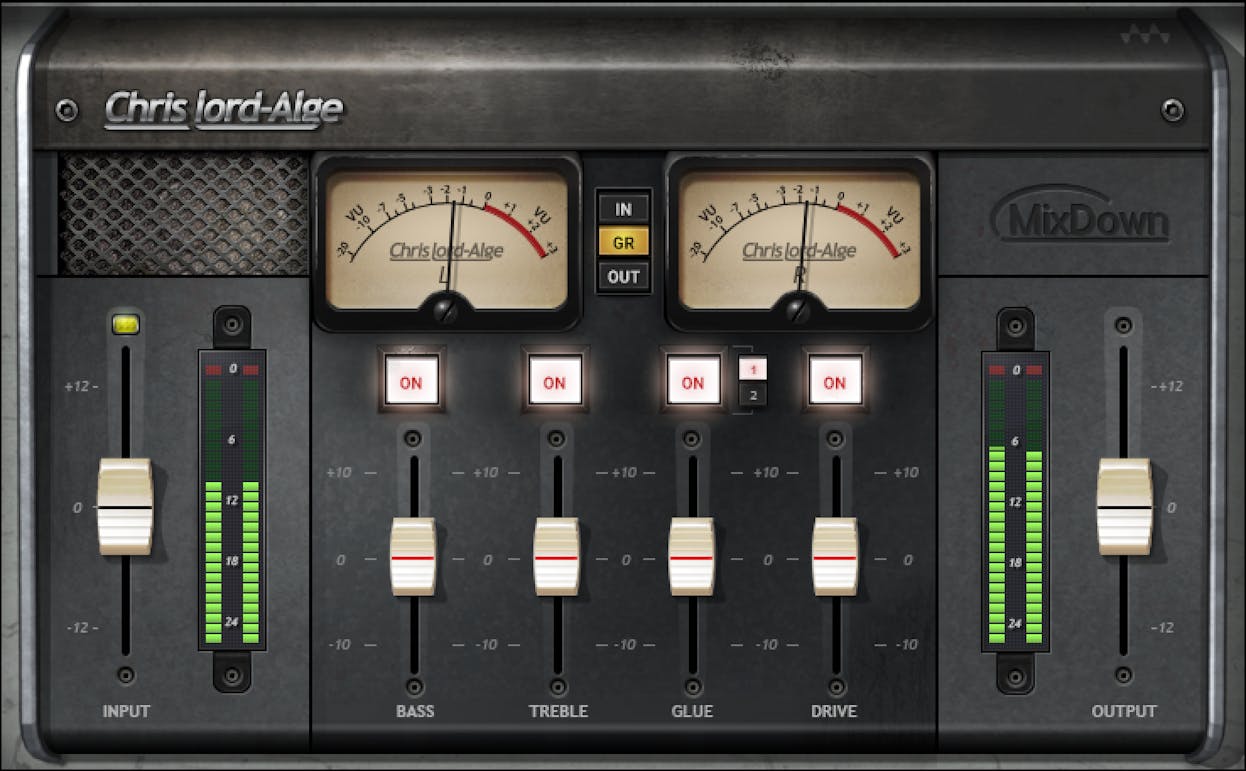
The Waves CLA MixDown plug-in can be a great asset in your music production toolkit. It’s the ultimate mix bus processor and our overall favorite. Created by Grammy-winning engineer Chris Lord-Alge, it’s the go-to plug-in for finalizing your mix.
Mainly, it’s a flexible solution for optimizing high and low shelve EQ, glue compression, and console emulation. Overall, it combines years of mixing expertise into a single efficient interface.
Tip: Use this as the first plugin on your master bus. Dial the input fader in so that you are getting 2-3 dB of gain reduction. Leave all other settings on their defaults.
Pros
- Efficient workflow on a user-friendly interface
- The price is fantastic
- Also great for mastering
Cons
- Some users have reported that it can be demanding on their computers CPU.
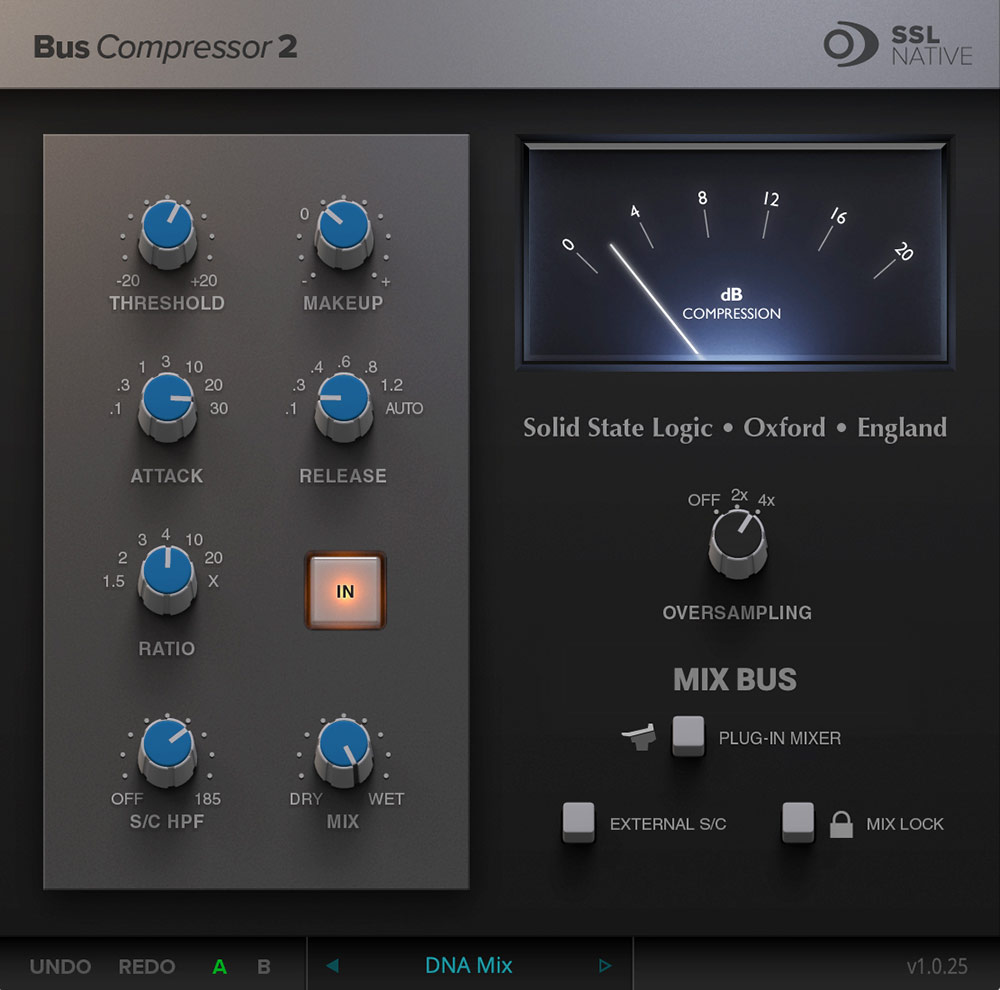
The Solid State Logic (SSL) bus compressor 2 is the embodiment of the classic 1980s analog console compressor. Known for its ability to glue mixes together with formidable power, punch, and drive, such a plugin has been an irreplaceable part of countless recordings.
Primarily, the SSL bus compressor 2 introduces new dimensions of control with features like variable attack, release, and compression ratios. Therefore, it ensures the same compression characteristics and fantastic sound quality as the original hardware.
Tip: We use this compressor on our drum bus in every mix. Use the gentle drum bus preset and set the threshold knob so that you are getting 2-3 dB of gain reduction.
Pros
- Seamless integration with SSL 360° and UC1 controller
- Enhanced flexibility with added controls
- Outstanding glue and punch for more cohesive mixes
Cons
- Users who aren’t used to SSL-style compression may experience a bit of a learning curve because of the amount of available controls
- Multiple instances and other features like oversampling may pose some performance issues on less powerful systems
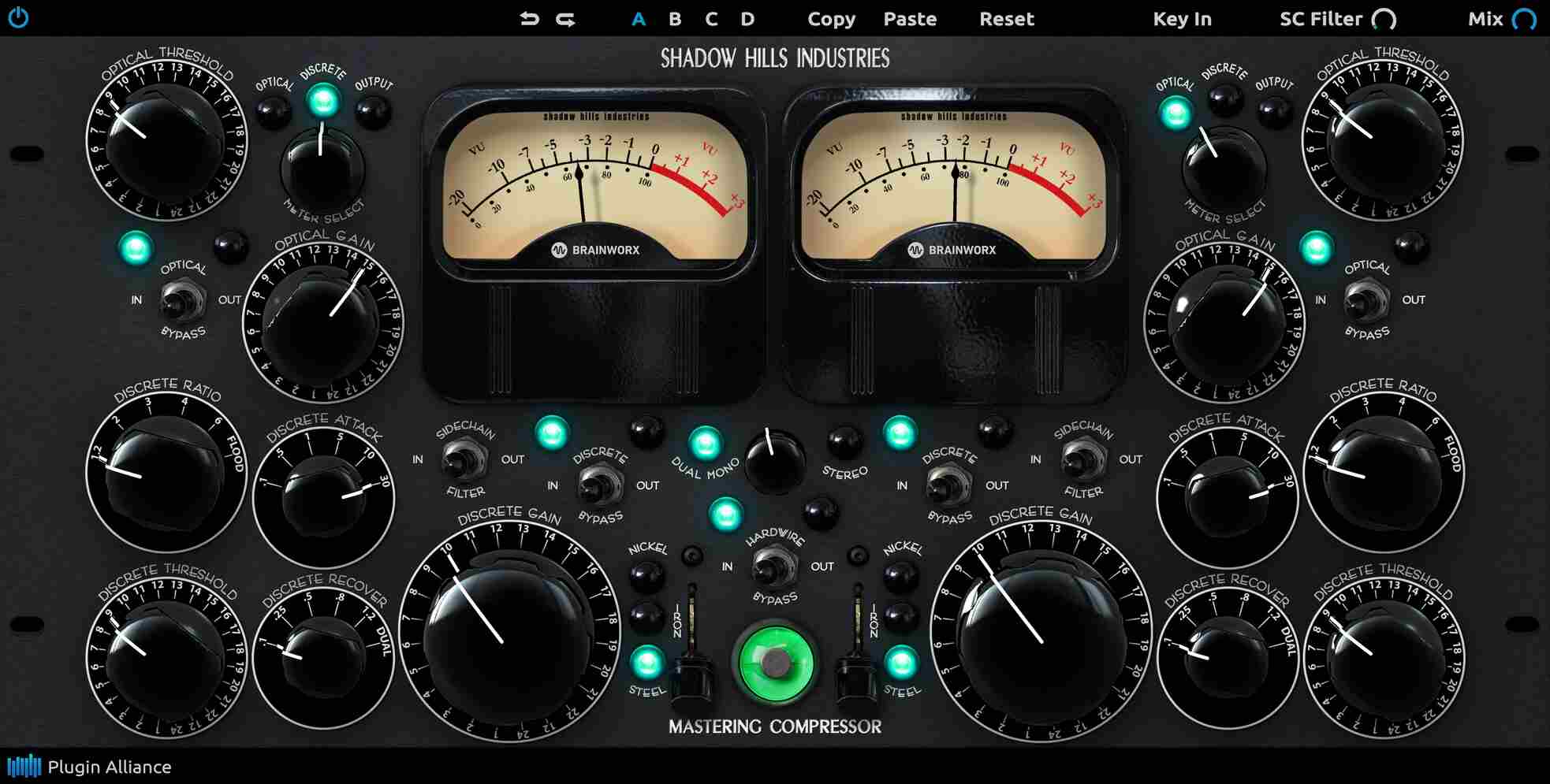
The Shadow Hills Mastering compressor plug-in is a digital take on its highly regarded analog counterpart. It’s famous for its versatility and impact on classic recordings, mirroring the hardware’s two-stage compression process.
Principally, the first stage employs an optoelectronic gain control element. Consecutively, the second replicate a discrete VCA design, operating in feed-forward mode. With both compressors in action, the plug-in offers distinct tonal shaping.
Tip: On slower or less dynamic songs, we use this compressor in place of the CLA MixDown.
Pros
- Great capabilities for producing seamless transients and marvelous tones
- Increased control over the attack, release, and ratio settings
- The output transformer options allow for outstanding tonal balance shifting and sonic variety
Cons
- The output level metering is a bit primitive for a mastering compressor
- It is complicated to use and we recommend reading the manual
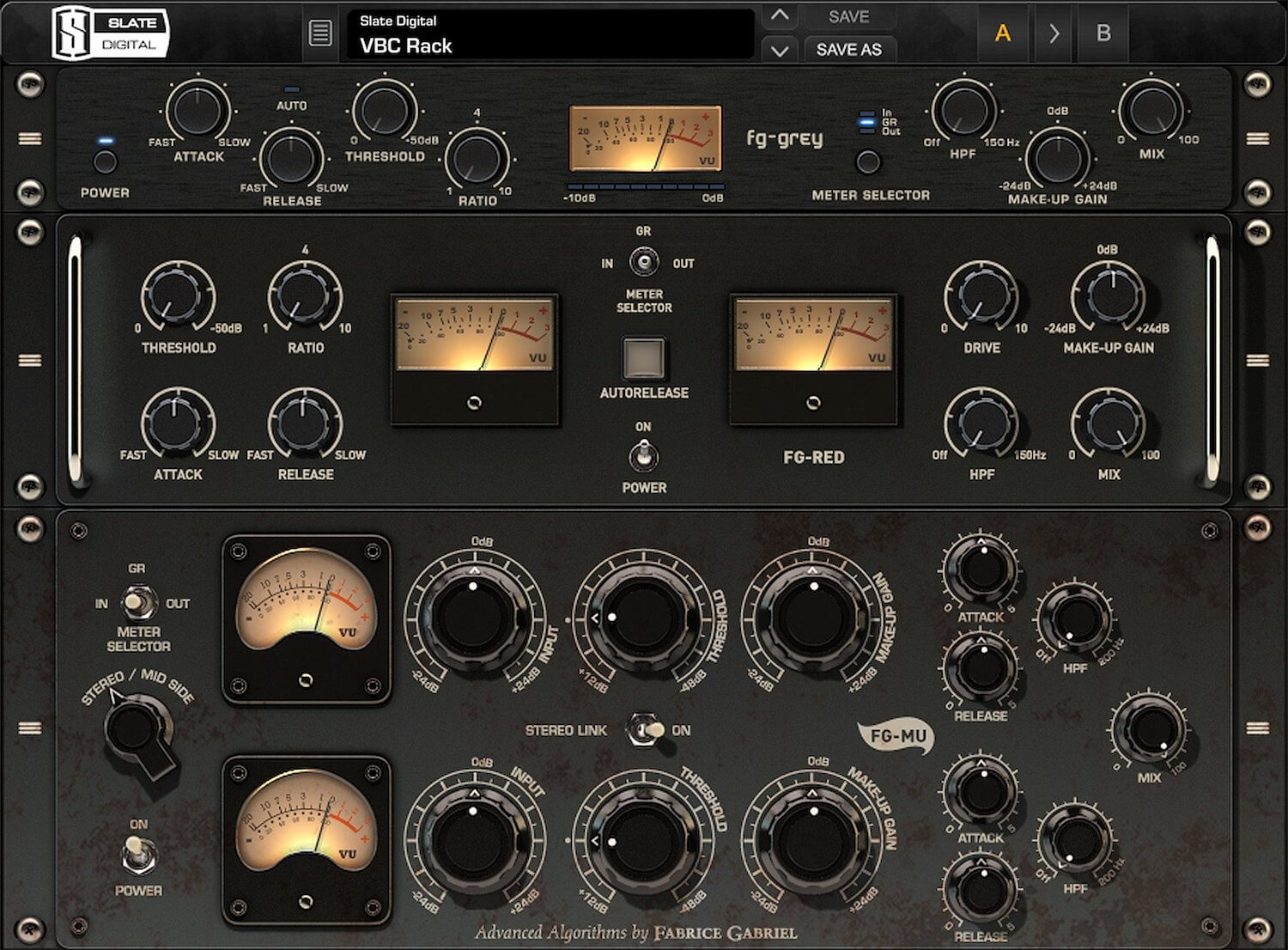
The Slate Digital VBC virtual bus compressors plug-in bundle is a set of three analog-modeled compressor plug-ins. It’s designed to mimic some of the highest-demanded classic mix-bus compressors.
As a part of Slate Digital’s Virtual Mix Rack (VMR) system, the three plugins are renowned for their ability to add glue and character to mixes. While the FG-Grey is known for its transparent compression and musicality, the FG-Red adds quite the punch to mixes. As for the FG-MU, it adds warmth to recordings with its smooth and rich compression.
Pros
- The bundle’s price is highly attractive, given the features it offers
- The three plug-ins provide a versatile toolkit for different mixing scenarios
- You can use the three compressors separately within your digital audio workstation (DAW) or inside your virtual music production environment
Cons
- Lack of mono versions
- Limited side-chain filter range
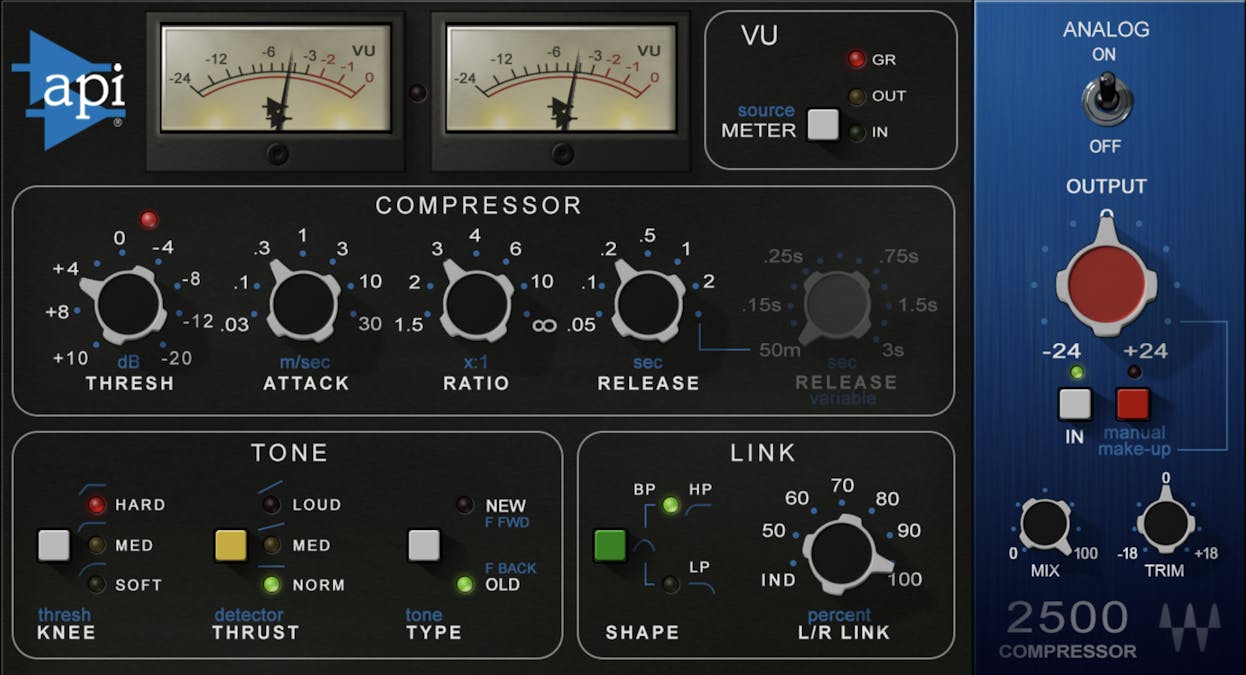
A modern take on the classic API 2500 stereo compressor, the Waves API 2500 stereo compressor plug-in holds fantastic characteristics. It’s designed to recreate the versatility of the original hardware, offering a complete set of controls for precise shaping.
With the use of parameters such as ratio, threshold, attack, release, and knee adjustments, you can achieve optimal dynamic control. Furthermore, the plug-in’s mix and headroom controls allow you to adjust the overall output level as well as blend compressed with uncompressed signals.
Pros
- Delivers the outstanding musical compression characteristics of the original API 2500 hardware
- High flexibility in stereo bus compression with the ability to link or unlink the left and right channels
- The plug-in has an auto makeup gain feature that simplifies the gain staging process
Cons
- The plugin can be CPU intensive